Introducing OpenAI Presence: Bridging the Gap Between AI Potential and Enterprise Reliability
overloaded AI 的 AI API 使用建议
overloaded AI 面向需要 OpenAI 兼容接口、Claude/Gemini/GPT 多模型切换、包月额度管理和图像模型调用的用户。阅读本文后,可以结合本站的模型清单、独立使用文档和个人面板,把教程内容直接落到实际调用流程中。
The Next Frontier of Enterprise Productivity
For years, the conversation surrounding Artificial Intelligence in the workplace has focused on potential—proving that AI can work. Today, the focus has shifted. The modern enterprise challenge is no longer about capability, but about reliability. How can organizations deploy AI agents that are trusted to perform high-value work in production, adapt to changing policies, and interact safely with complex internal systems?
To solve this, OpenAI has introduced OpenAI Presence. This proven enterprise product is designed to put AI agents to work across both customer-facing and internal workflows, providing a battle-tested platform for voice and chat experiences.
Moving Beyond Models to Systems
At its core, OpenAI Presence acknowledges that a powerful model is only one piece of the puzzle. To be truly effective in a corporate environment, an agent needs more than reasoning; it requires a structured environment of evaluations, guardrails, and deployment expertise.
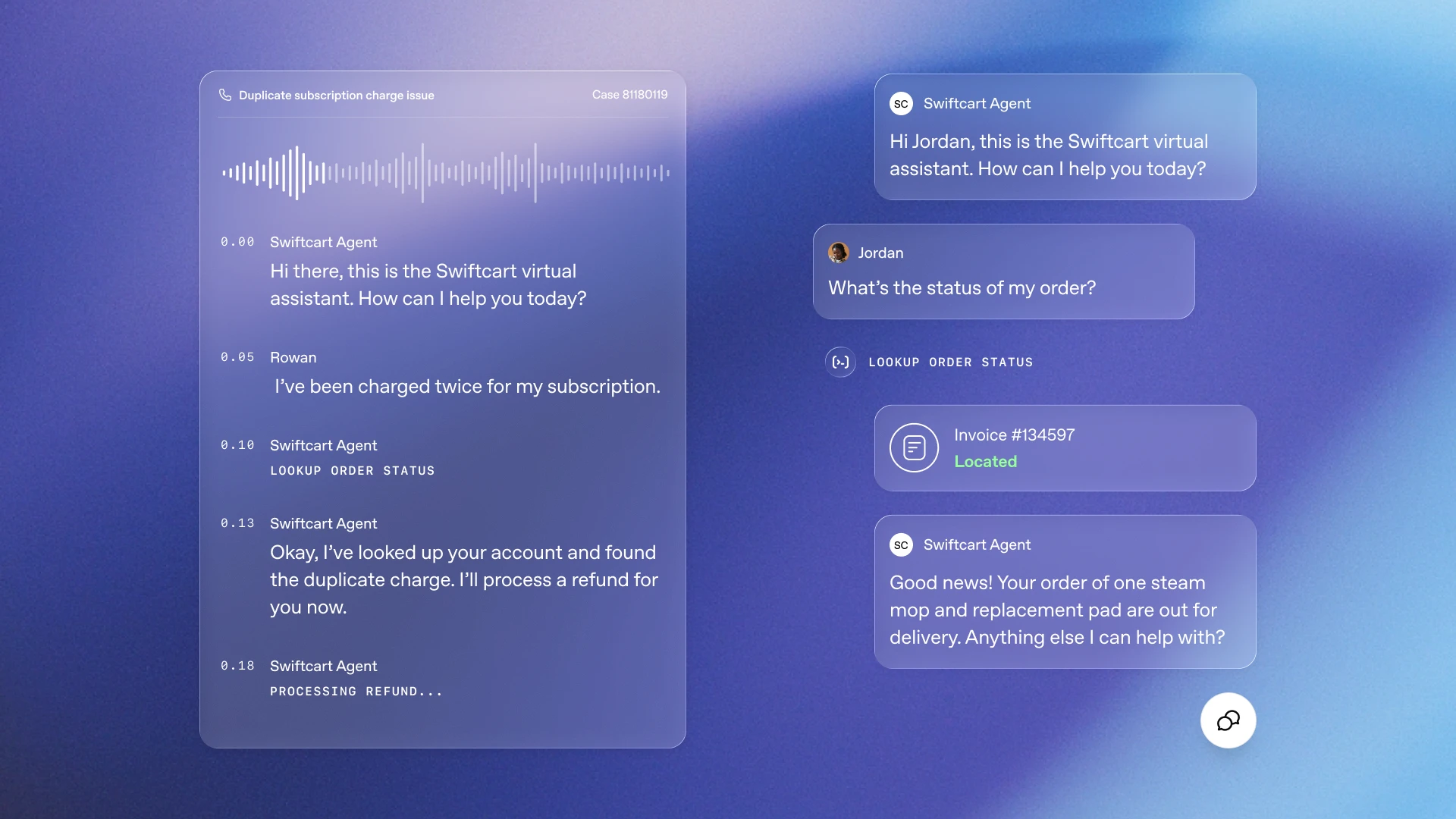
Presence pairs OpenAI’s advanced model reasoning with specific company policies and escalation rules. Whether it is resolving a complex billing issue, processing an insurance claim, or managing an internal IT service request, Presence ensures that the agent stays within its defined boundaries.
Key Capabilities of Presence Agents:
- Task-Specific Knowledge: Agents receive only the information and system access necessary for their specific role.
- Human Escalation: Companies define exactly when a human should take over, ensuring high-stakes issues always get the right attention.
- System Integration: The platform connects directly to internal tools to take approved actions, such as looking up account data or updating records.
- Real-Time Guardrails: Active monitoring prevents interactions from moving outside of pre-set company boundaries.
The Continuous Improvement Loop
One of the most innovative features of OpenAI Presence is its ability to learn and adapt after launch. In a traditional software environment, updates are manual and often lag behind user behavior. Presence utilizes a Codex-powered improvement process to bridge this gap.
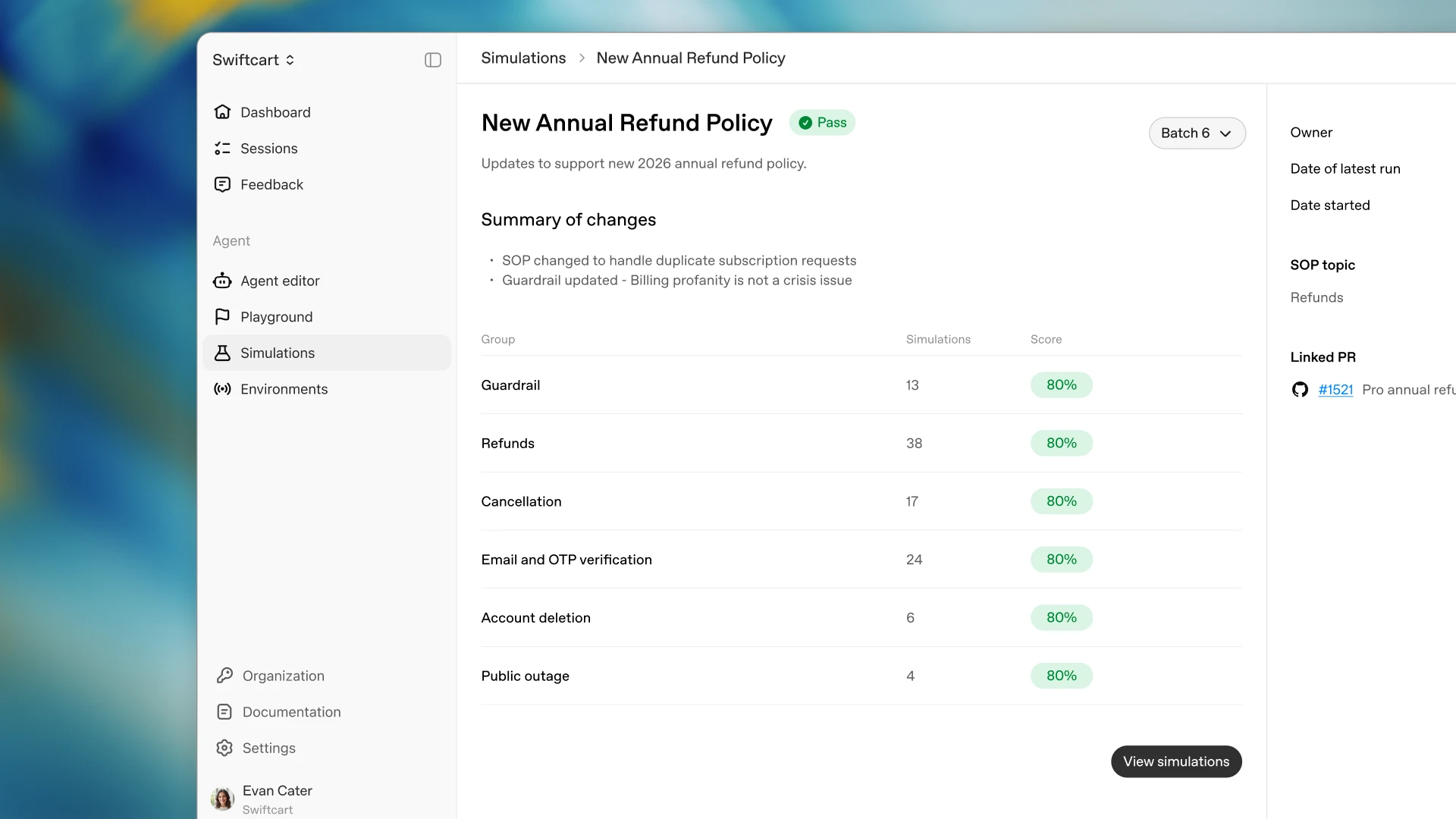
When agents encounter production sessions or escalations that reveal gaps in their training or policy, the Codex plugin investigates these signals. It then proposes updates that teams can test in a simulated environment. Once approved, these changes can be rolled out in a controlled manner, allowing the agent to evolve alongside the business.
Proven Performance in the Real World
OpenAI Presence isn’t just a theoretical concept; it is already powering mission-critical operations. OpenAI itself uses Presence for its English-language phone support (1-888-GPT-0090). Since its implementation, the platform has achieved remarkable results:
- 75% Resolution Rate: Three-quarters of inbound issues are resolved without human assistance.
- Rapid Optimization: Using the Codex improvement loop, human handoffs were reduced by 15 percentage points in just 10 days.
- Quality Benchmarks: The AI agents now meet or exceed the benchmarks used to grade frontline human support quality.
Global Enterprise Adoption
Leading global organizations are already acting as design partners, tailoring Presence to their unique regional and industry needs:
- BBVA: Exploring AI-powered voice support to provide seamless, personalized banking experiences in Mexico.
- SoftBank: Testing natural Japanese-language conversations for customer interactions, which have already been rated highly for accuracy.
- IAG: Utilizing Presence to provide timely support during high-demand events, such as claims processing during severe weather and natural disasters.
Trust Through Simulation
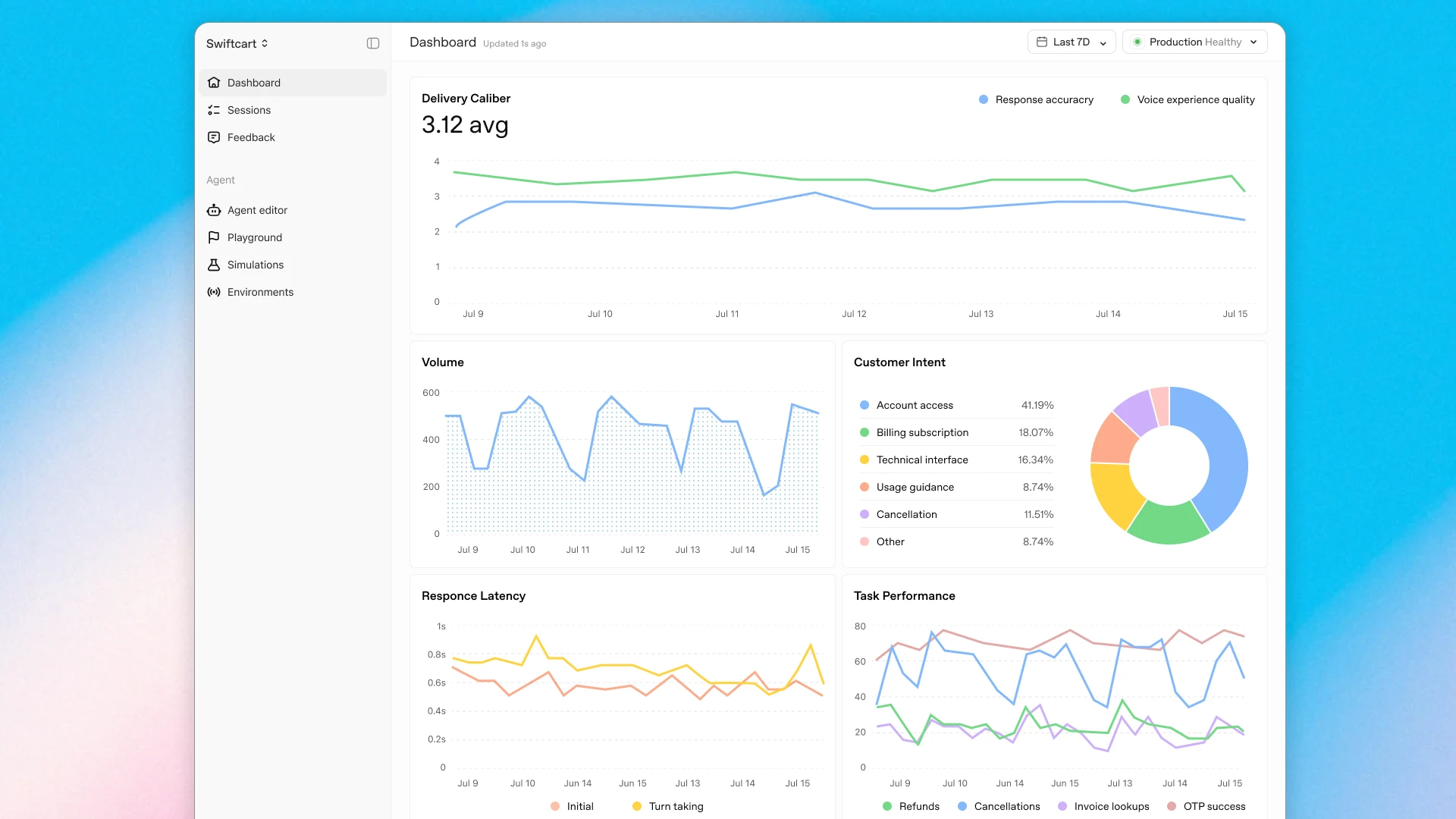
Security and trust are baked into the Presence lifecycle. Before any deployment reaches a user, it undergoes rigorous testing against common requests, edge cases, and high-risk scenarios.
Teams use built-in simulation and grading tools to verify:
- Outcome Accuracy: Did the agent reach the correct conclusion?
- Policy Compliance: Did the agent follow all standard operating procedures?
- Tool Usage: Were internal systems used correctly and securely?
- Escalation Logic: Did the agent know when to pass the task to a human?

How to Get Started
As of July 2026, OpenAI Presence is available to eligible enterprise customers through a limited general availability program. Unlike some of OpenAI’s self-serve tools, Presence deployments are currently led by OpenAI Forward Deployed Engineers (FDEs) and select global systems integrators. This ensures that every deployment is tailored to the specific needs and security requirements of the organization.
For companies looking to move beyond simple chatbots and toward autonomous, trusted agents, OpenAI Presence represents the next major step in AI-driven digital transformation. By combining world-class research with production-grade reliability tools, OpenAI is finally making it possible to put AI to work at scale.