Shifting Sands in Silicon: How TSMC, Intel, and Samsung are Adapting to the AI Era
overloaded AI 的 AI API 使用建议
overloaded AI 面向需要 OpenAI 兼容接口、Claude/Gemini/GPT 多模型切换、包月额度管理和图像模型调用的用户。阅读本文后,可以结合本站的模型清单、独立使用文档和个人面板,把教程内容直接落到实际调用流程中。
The semiconductor industry is currently undergoing one of its most significant structural transformations in decades. Driven by the insatiable demands of artificial intelligence (AI), high-performance computing, and changing market dynamics, major players like TSMC, Intel, and Samsung are executing bold new strategies.
From pioneering advanced chip packaging to opening up proprietary intellectual property and securing long-term supply agreements, these moves reflect a broader shift toward specialization, collaboration, and infrastructural stability. Here is a deep dive into how these three giants are reshaping the future of silicon.
TSMC Targets Intel with Next-Gen AI Chip Packaging
As the demand for AI chips continues to skyrocket, the focus of chip manufacturing has shifted. While shrinking transistors on a piece of silicon remains important, the way these individual chips (or "chiplets") are packaged together has become the new battleground for innovation. TSMC is reportedly developing a new advanced chip packaging technology to directly rival Intel's existing packaging solutions.
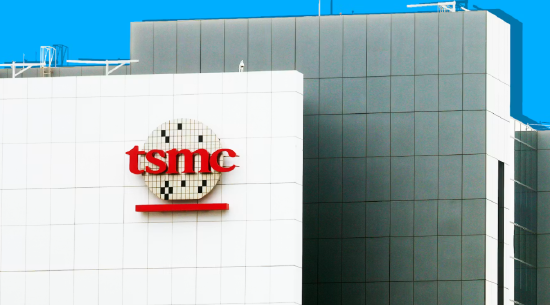
The Rise of Advanced Packaging
Historically, packaging was considered a low-margin, standard step in semiconductor manufacturing—essentially just putting a protective shell around a silicon die and connecting it to the circuit board. However, AI workloads require massive computational power and ultra-fast data access. To achieve this, chip designers must integrate multiple processors and high-bandwidth memory (HBM) into a single, highly complex, and larger package.
TSMC's new technological route aims to optimize how these chips communicate with each other, offering high-density interconnects that compete directly with Intel's proprietary packaging tech. By advancing its packaging capabilities, TSMC hopes to solidify its dominance as the go-to manufacturer for AI hardware, ensuring that clients like NVIDIA and AMD can build even more powerful next-generation accelerators.
Intel's Unprecedented Move: Licensing Atom IP to Rosaic Labs
In a surprising shift in strategy, Intel has decided to license its famous Atom CPU microarchitecture IP to a startup named Rosaic Labs. This move represents a rare departure from Intel's traditional practice of keeping its core architecture designs strictly in-house.

Sharing the Core Code
Specifically, Intel is transferring Register-Transfer Level (RTL) code to Rosaic Labs. RTL code is the foundational blueprint used to define a CPU chip before it is physically manufactured into silicon.
By licensing this IP, Intel is taking a page out of ARM's playbook, allowing a third party to customize and build upon its historic Atom architecture. The Atom lineup, originally designed for low-power, energy-efficient devices, has found new life in edge computing, IoT, and lightweight server applications. This strategic licensing could help Intel generate new revenue streams and expand the ecosystem of x86-based designs in a market increasingly dominated by ARM and RISC-V architectures.
Samsung Secures AI Dominance with 5-Year Memory Deals
While TSMC and Intel focus on processing power and design architectures, Samsung is locking down the literal memory of the AI revolution. Samsung Electronics has officially signed five-year DRAM supply agreements with five major AI data center customers.
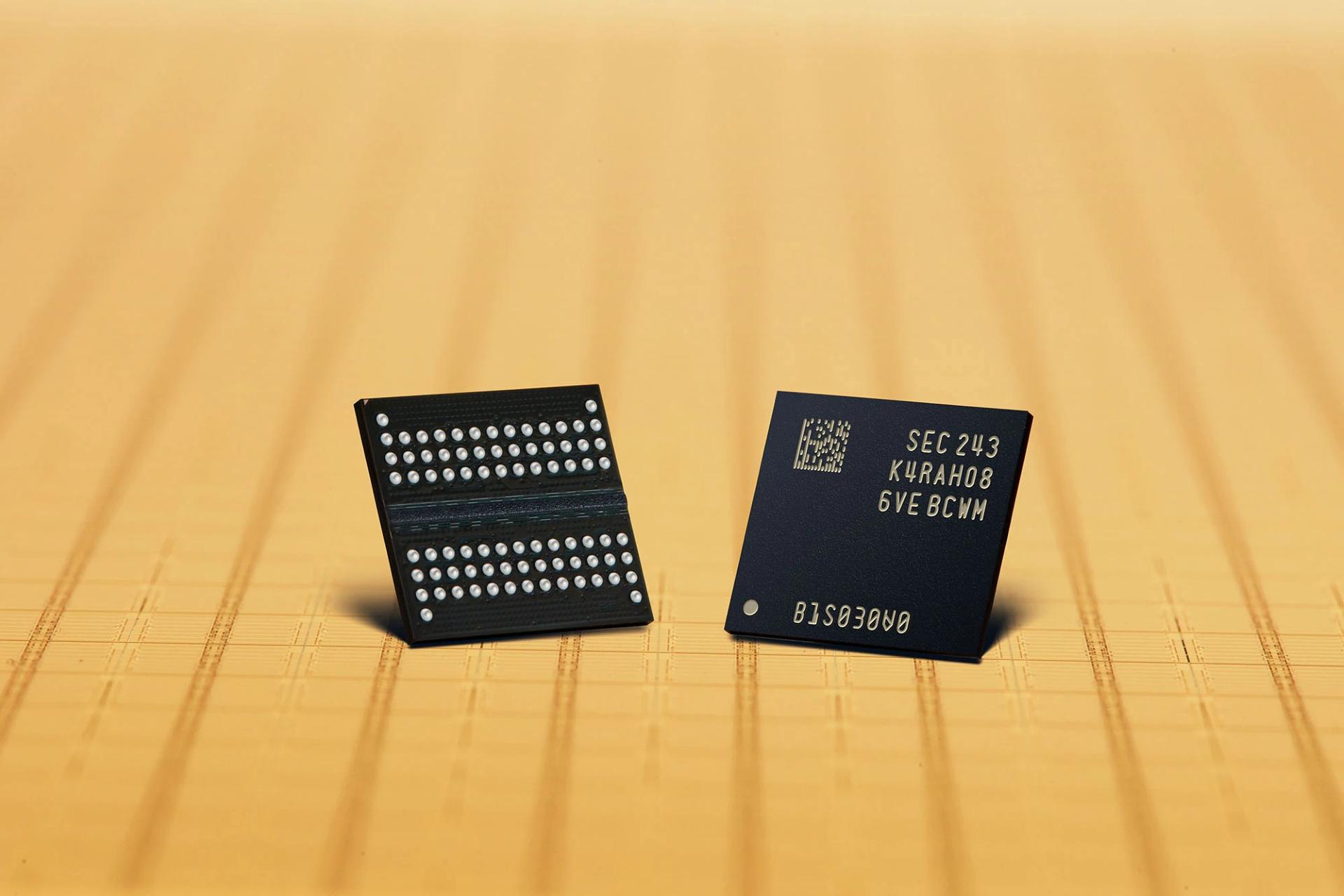
Mitigating Market Volatility
The memory market is notoriously cyclical, characterized by wild swings of oversupply and severe shortages. By securing these legally binding, long-term contracts, Samsung achieves two critical objectives:
- Guaranteed Profitability: Samsung can invest in next-generation manufacturing facilities without the fear of sudden price crashes or overcapacity.
- Supply Stability for AI Giants: AI data centers require vast quantities of high-speed DRAM to run large language models and manage massive datasets. These long-term agreements guarantee that these major customers will have a steady supply of memory chips over the next five years.
This partnership model ensures that both Samsung and the major cloud providers can plan their infrastructure rollouts with unprecedented stability.
Conclusion: A New Era of Collaboration and Competition
The actions of TSMC, Intel, and Samsung highlight a clear trend: the AI boom is rewriting the rules of the semiconductor industry. TSMC's focus on advanced packaging shows that manufacturing limits are being pushed beyond the silicon wafer. Intel's IP licensing suggests a more open, ecosystem-driven business model. Finally, Samsung's long-term deals prove that infrastructure stability is just as important as raw technological breakthroughs.
As the demands of artificial intelligence continue to evolve, the boundaries between competitors, partners, and customers will continue to blur, paving the way for a highly integrated and dynamic global tech landscape.
想用更低价格使用 Claude / GPT?
本站长期提供按量计费的 Claude / GPT 中转套餐,相比官方订阅可显著降低成本:
适合个人开发者、团队合租与重度使用者。